Safety Guides
Safer outdoor decisions begin with awareness and preparation.
Understand risks, prepare practical responses and build habits that support safer outdoor experiences.
Assess conditions before they become problems
Outdoor safety is not based on eliminating every risk. It depends on recognizing relevant hazards, understanding limits and preparing realistic alternatives before the activity begins.
Use these guides to improve situational awareness, emergency preparation and responsible decision-making in changing outdoor conditions.
Safety essentials
- Weather and terrain risks
- Physical limits and group needs
- Navigation and communication
- Emergency equipment
- Turnaround and exit decisions
Key safety topics
What to consider before and during the activity
01
Risk assessment
Identify relevant hazards, possible consequences and practical ways to reduce exposure.
02
Emergency preparation
Prepare communication, first-aid, navigation and exit options before they are needed.
03
Responsible decisions
Adjust plans when conditions, visibility, timing or participant capacity changes.
Latest safety guides
-

How to Layer for Hiking Without Overheating
Learn how to adjust hiking layers as effort, wind, rain, stops, and temperature change so you can stay more comfortable without relying on one fixed outfit.
-
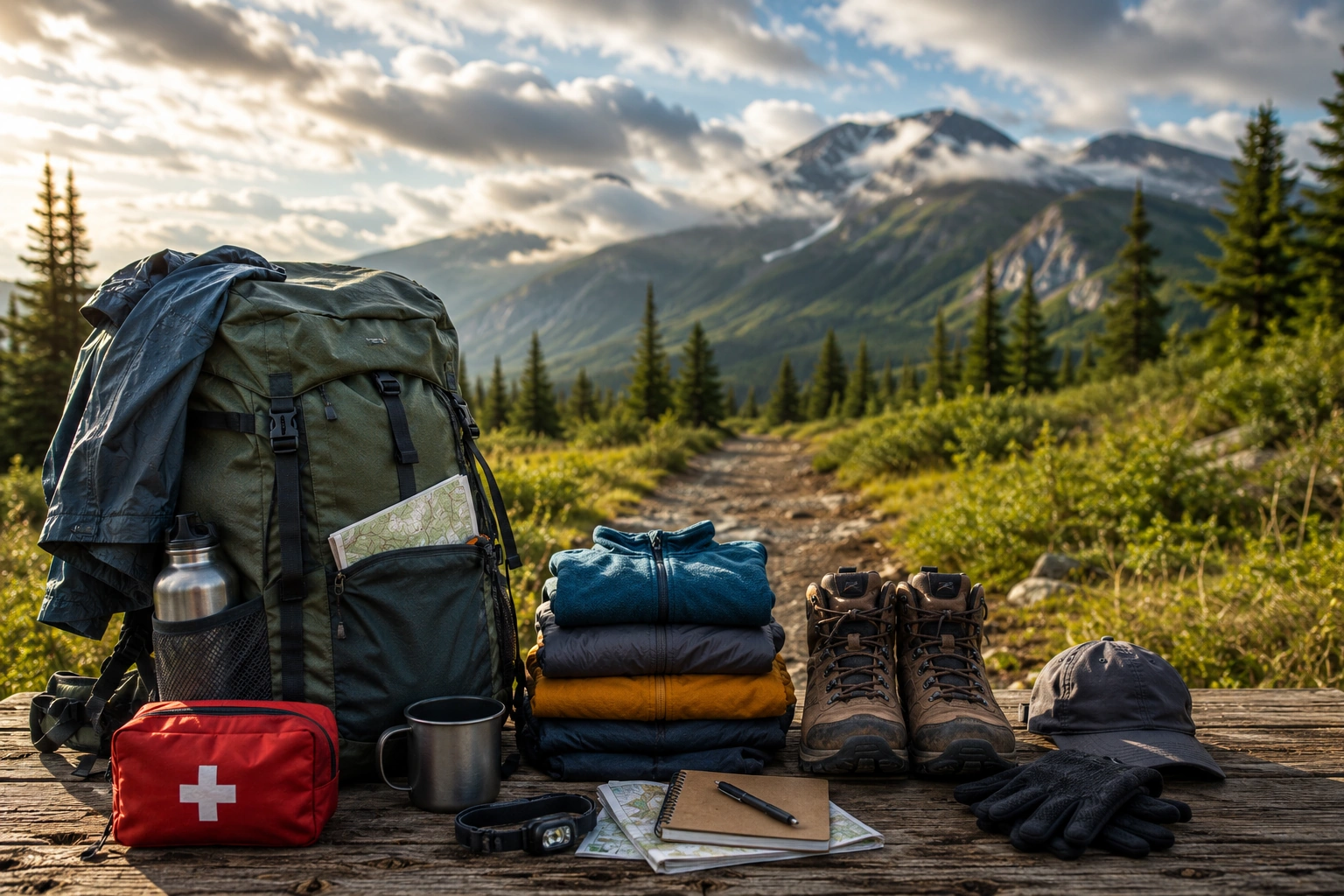
What to Pack for a Day Hike in Changing Weather
Changing weather can turn a simple day hike into a very different outing. Learn how to build a practical day-hike packing list around your route, forecast, exposure, and the conditions you could realistically encounter.
-

When Should You Turn Back During a Hike?
Learn how to recognize weather, daylight, trail, group, and equipment signals that indicate it is time to turn back during a day hike.
Need help reviewing your preparation?
Describe the activity and expected conditions, and we will help identify the questions that should be reviewed.